 We’re Hiring
  Coupons

Uh Oh, Frozen Pipe. Now What?
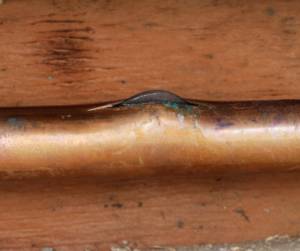 As temperatures in the Mid-Atlantic plummet, the chances increase for frozen pipes in your home. Here’s what to do if you find yourself with a frozen water pipe.
Why do pipes freeze
Water expands when it freezes, even if that water is trapped in a pipe. That expansion puts pressure on the pipe that is containing it whether or not that pipe is made of plastic or metal. Anytime the weather forecast is predicting freezing temperatures, including the nighttime temperatures, be mindful of your most vulnerable plumbing.
Pipes that are most susceptible to freezing are those that are exposed to the outdoors, like pipes that serve as pool supply lines and water sprinklers. Hose bibs and water supply lines in unheated areas in your home like basements and attics are vulnerable; even kitchen cabinets that are attached to exterior walls can get cold enough to freeze.
What to do when a pipe freezes
If you open a faucet and the water does not flow freely during cold weather, you might have a frozen pipe.
When you discover you have a frozen pipe here are a few things to try:
- Open the cold and/or hot water faucet that is closest to the frozen pipe. This can relieve some of the built-up pressure and reduce the chance of that pipe rupturing.
- Attempt to warm up the pipe. You can do this by applying heat to the section of the pipe using an electric heating pad, an electric hair dryer or using towels soaked in hot water.
- Never use a blow torch or any other open flame device to warm the pipes.
- Sometimes the area where the pipe is frozen is not easily accessible and it is best to call a professional plumber.
- Check all the other faucets in your home by letting them run for a minute or two. It is likely if you have one frozen pipe there may be others.
- Know where your main water shutoff valve is located. If your pipe bursts it will be critical to turn off your main water supply as soon as possible. It’s also important to call a professional plumber right away.
Frozen pipes aren’t just an issue for homeowners. Water main breaks and frozen water meters occur often during the winter months, according to the Washington Suburban Sanitary Commission. It’s a good idea to keep three days’ worth of water on hand during the winter months. That equates to about one to two gallons of water per person per day and additional water for any pets in the home.
When it comes to frozen pipes, prevention is key. Check out these tips to help your pipes to remain free-flowing this winter.
Freezing water pipes that can escalate into ruptured ones are one of the costliest winter risks to your home. Preventing frozen pipes is best, but if you find you have a frozen pipe this winter, our Len The Plumber experts won’t leave you out in the cold. We can restore your frozen pipes and complete any emergency plumbing need. Give us a call 24 hours a day, 7 days a week, and you can chill out knowing we don’t charge extra for weekend or evening appointments.



From Len The Plumber Heating & Air